
Transform Your Performance: Hydration & Nutrition for Peak Male Health
Science-backed insights into optimal hydration, nutritional balance, and lifestyle strategies designed specifically for men's wellness. Discover how proper nutrition and hydration fuel athletic performance, mental clarity, and long-term vitality.
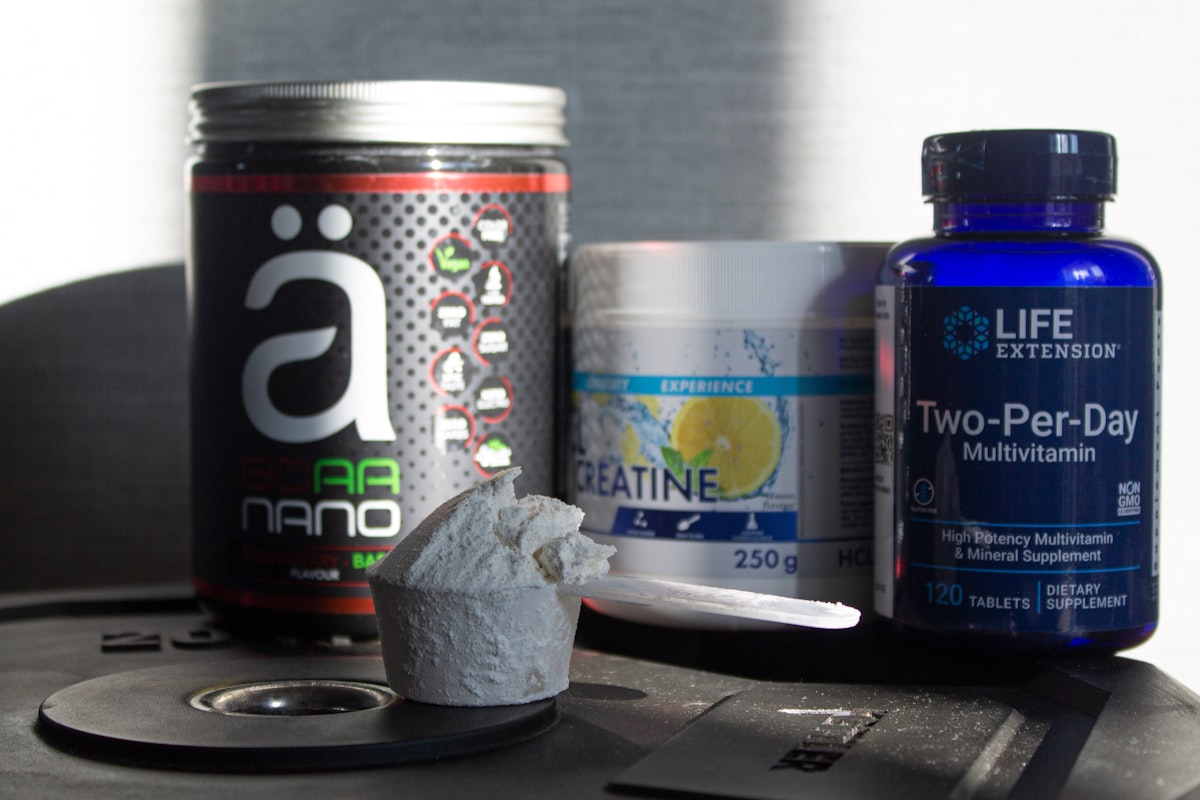
The information on this site is for educational purposes only and does not constitute medical advice. Always consult a qualified healthcare professional before making health decisions.
Why Hydration Matters for Men
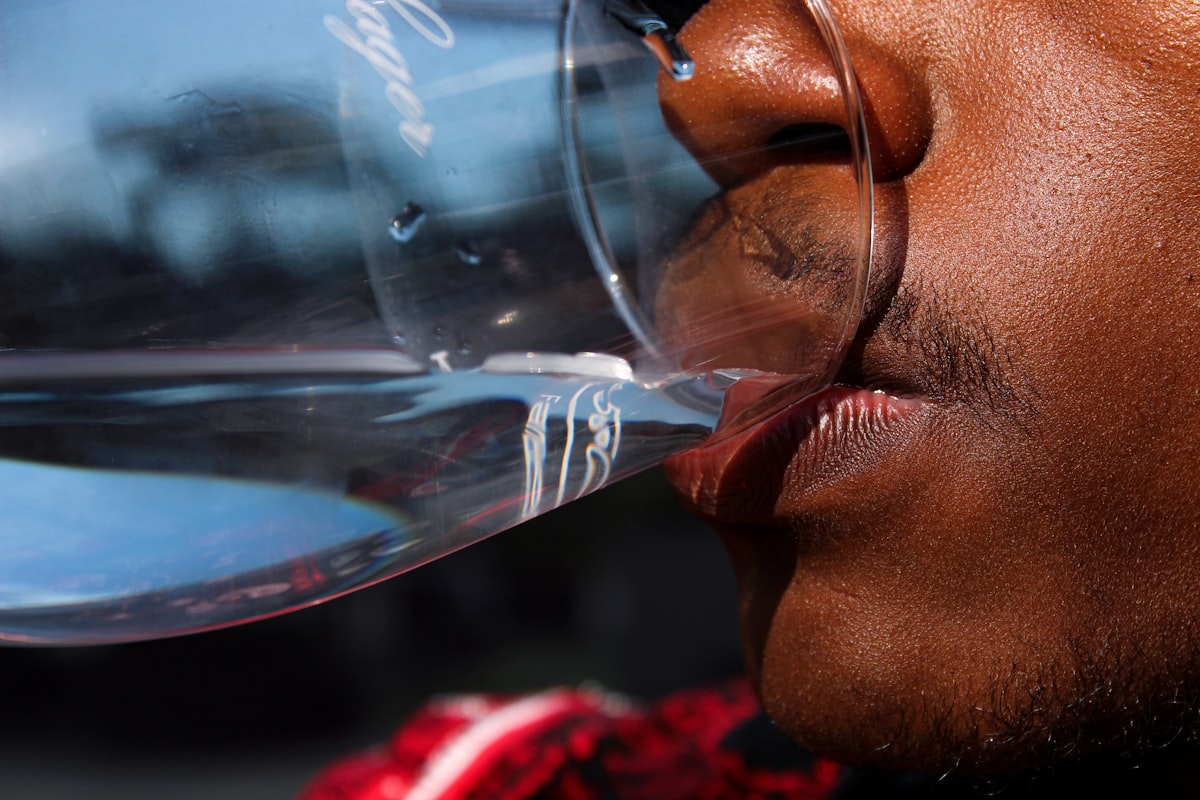
Proper hydration is the foundation of male health and performance. Beyond quenching thirst, adequate fluid intake regulates body temperature, supports muscle function, enhances cognitive performance, and maintains cardiovascular efficiency. Men who maintain optimal hydration levels report improved energy, better workout recovery, and sharper mental focus throughout the day.
The challenge? Many men underestimate their daily hydration needs, especially during physical activity or in warm climates like Indonesia. Dehydration can silently impact athletic endurance, muscle recovery, and overall vitality.
Our editorial content breaks down hydration science into practical, actionable strategies. Learn how much water you need, when to drink it, and how to combine hydration with balanced nutrition for maximum impact.
Learn More About HydrationEssential Nutrition Pillars for Male Wellness
Protein & Amino Acids
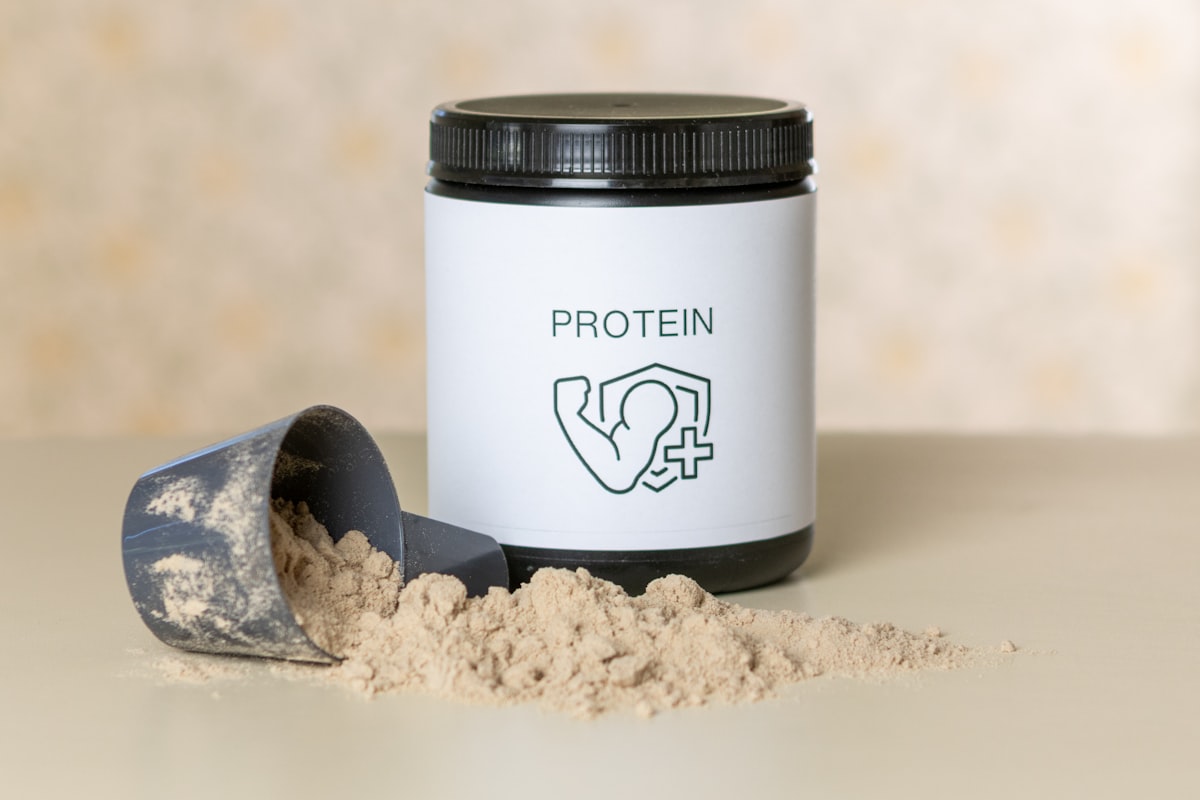
Essential for muscle repair, recovery, and strength development. Learn optimal protein timing, sources (animal and plant-based), and how protein supports metabolic health and lean body composition in men of all ages.
Micronutrients & Minerals
Vitamins, minerals, and trace elements regulate energy production, immune function, and hormonal balance. Discover which micronutrients matter most for male vitality, including zinc, magnesium, and B-vitamins.
Carbohydrates & Energy
Strategic carbohydrate intake fuels workouts, supports cognitive function, and maintains stable energy throughout the day. Understand glycemic balance, whole food sources, and timing for peak performance.
Your 4-Week Transformation Journey
Week 1: Establish Baseline & Awareness
Track your current hydration habits, water intake, and daily nutrition. Understand your baseline energy levels, recovery time, and mental clarity. This week focuses on awareness without drastic changes—identify your individual hydration and nutrition patterns.
Week 2: Optimize Hydration Protocol
Implement structured hydration strategies aligned with your activity level and climate. Learn proper electrolyte balance, timing of fluid intake around workouts, and how to monitor hydration status. Most men notice improved energy and workout performance within days.
Week 3: Balance Macronutrient Intake
Refine protein, carbohydrate, and fat ratios based on your fitness goals and lifestyle. Incorporate whole food sources, plan meals strategically, and understand macro timing for muscle recovery and sustained energy. Track hunger cues and satiety to find your optimal balance.
Week 4: Lock in Sustainable Habits
Consolidate your hydration and nutrition systems into daily routines. Assess improvements in energy, recovery, mental clarity, and athletic performance. Establish long-term habits that feel natural and sustainable, setting the foundation for continued wellness.
Real Results from Our Community
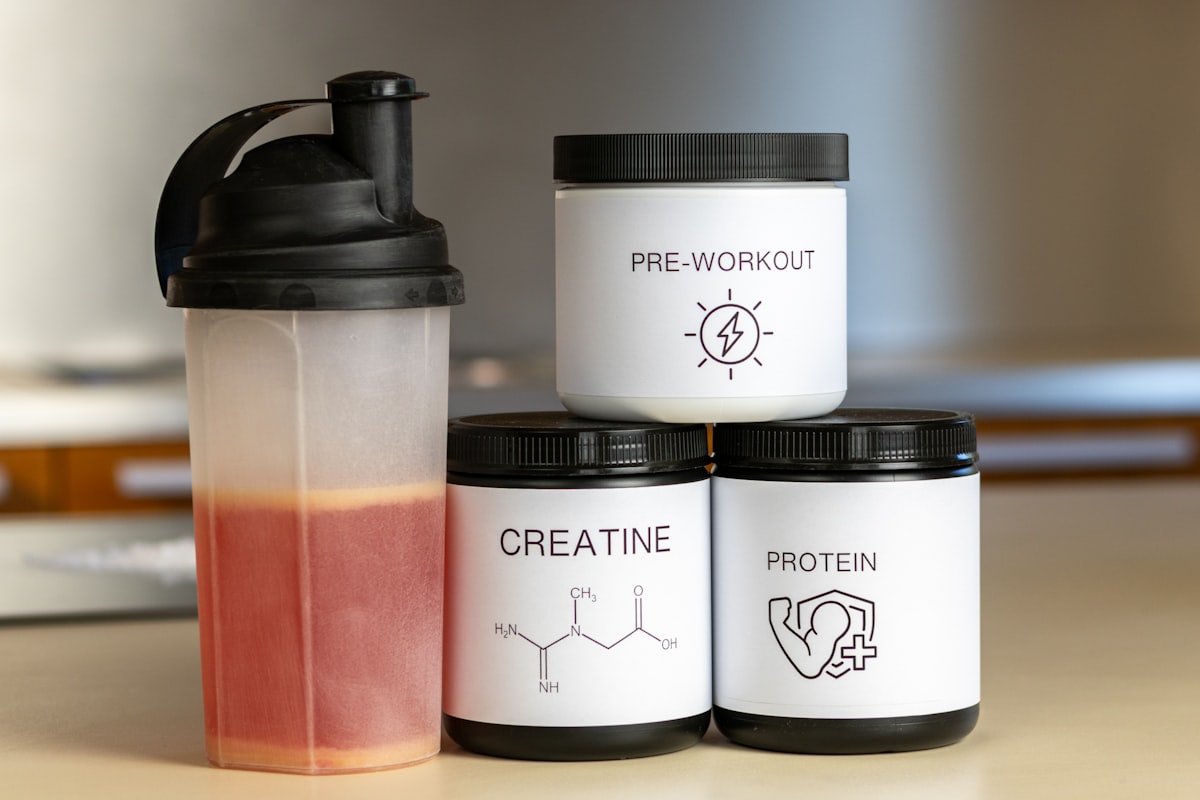
Enhanced Workout Recovery
Men implementing structured hydration protocols report faster muscle recovery and reduced soreness. Proper fluid intake before, during, and after training optimizes performance and adaptation.
Featured in Hydration Tips
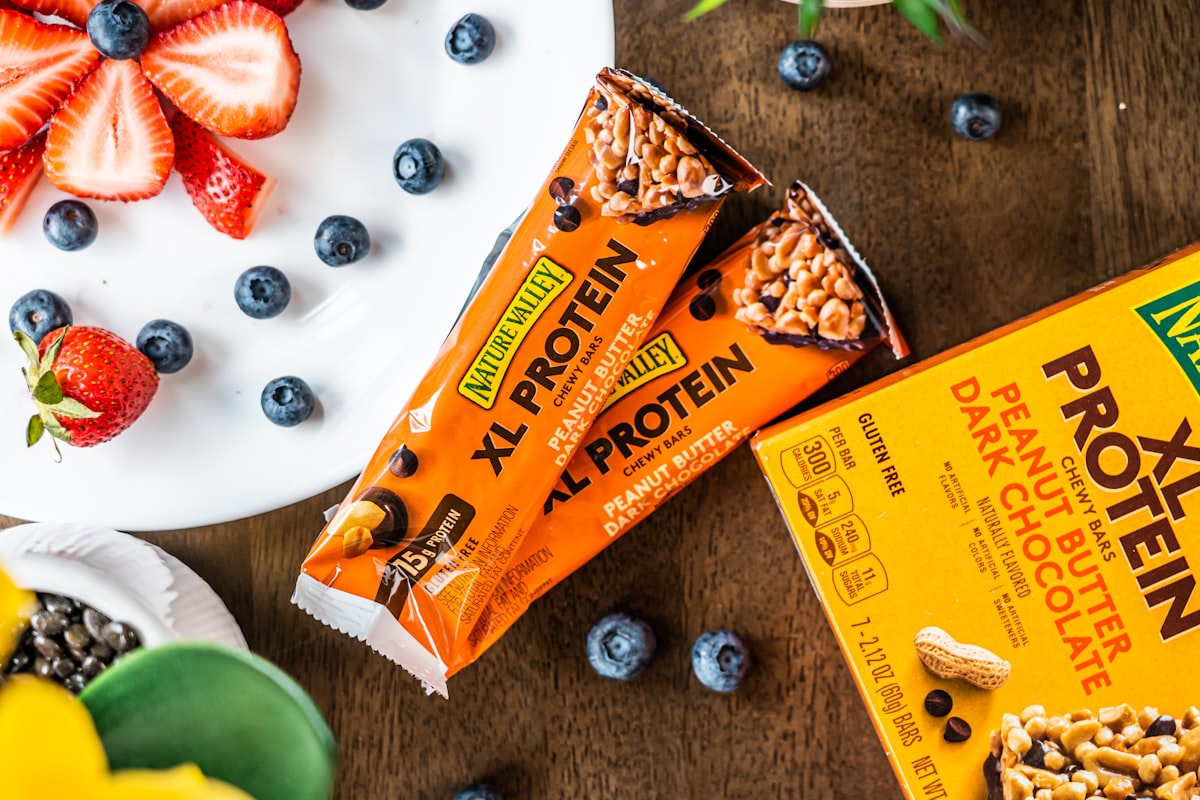
Sustained Energy Throughout Day
Balanced macronutrient intake eliminates energy crashes. Readers consistently report stable focus, reduced afternoon fatigue, and improved productivity by optimizing protein and carbohydrate timing.
From Nutrition Guide Readers
Mental Clarity & Focus
Adequate hydration and micronutrient balance directly impact cognitive function. Men report sharper decision-making, improved concentration, and better stress resilience after implementing our recommendations.
Community Feedback
Men Who Changed Their Lives
"I struggled with afternoon energy crashes and poor workout recovery for years. After implementing the hydration protocol from Healthymalnutri's articles, my performance improved dramatically. I now drink strategically throughout the day, and my recovery is noticeably faster. The practical advice transformed my daily routine."
Ahmad Rizaldi
Fitness Enthusiast, Surabaya
"The nutrition guide provided clarity I couldn't find elsewhere. Breaking down macronutrients and meal timing for my specific goals was exactly what I needed. Within four weeks, my energy levels stabilized, my workouts felt stronger, and I even improved my body composition. This is honest, evidence-based information."
Budi Santoso
Corporate Professional & Athlete, Jakarta
"As an older male trying to maintain fitness and strength, I appreciated the science-based approach to hydration and nutrition. The articles address real challenges men face—not just young athletes. My recovery improved, and I feel more energetic. Healthymalnutri cuts through the noise with actionable advice."
Dedi Hermawan
Business Owner & Weekend Athlete, Bandung
"I was skeptical about nutrition optimization until I read the detailed guides on Healthymalnutri. The information is clear, practical, and actually achievable. My focus at work improved, gym sessions feel more productive, and I'm sleeping better. This is the comprehensive male wellness resource I've been searching for."
Rendra Wijaya
Software Developer & Gym Regular, Medan
Common Questions About Male Hydration & Nutrition
Daily water intake varies based on body weight, activity level, climate, and diet. A practical starting point is half your body weight in ounces (for a 180-pound man, about 90 ounces or 2.7 liters). In Indonesia's warm climate and with physical activity, many men need 3-4 liters daily. Listen to your thirst cues, monitor urine color (pale yellow is ideal), and adjust based on sweat losses during exercise. Our hydration tips article provides personalized calculations.
For men focused on muscle building and strength training, protein intake should range from 0.7 to 1 gram per pound of body weight daily. For a 180-pound man, this means 126-180 grams of protein spread across meals. Distribute protein evenly—aim for 25-40 grams per meal—to optimize muscle protein synthesis throughout the day. Include both animal sources (chicken, fish, eggs, dairy) and plant-based options (legumes, tofu, nuts). Our nutrition guide breaks down meal planning strategies specific to male fitness goals.
For workouts lasting under 60 minutes at moderate intensity, plain water is sufficient. For intense or prolonged exercise (over 90 minutes), workouts in heat, or high-sweat activities, electrolyte beverages containing sodium, potassium, and carbohydrates enhance absorption and performance. Sodium stimulates thirst and aids fluid retention, while carbohydrates provide fuel and maintain blood sugar. You can also consume whole foods (bananas, coconut water) that provide natural electrolytes. Our hydration tips explore electrolyte strategies tailored to different activity levels.
Carbohydrates are the primary fuel source for intense training and high-output activities. They replenish muscle glycogen, support sustained energy, and enhance recovery. Men should consume 3-7 grams per kilogram of body weight daily, adjusted based on activity intensity. For a 180-pound (82-kilogram) man, this ranges from 246-574 grams daily. Focus on complex carbohydrates (oats, rice, sweet potatoes, whole grains) for steady energy, and time simple carbs around workouts for faster glycogen replenishment. Our nutrition guide details carbohydrate strategies for different fitness goals.
Key micronutrients for male health include zinc (immune function, hormonal balance), magnesium (muscle function, energy production), B-vitamins (energy metabolism, cognitive function), vitamin D (bone health, mood, immune function), and iron (oxygen transport). Whole food sources—meat, seafood, nuts, seeds, leafy greens, dairy—provide these nutrients naturally. Many men fall short on vitamin D and magnesium due to modern diets. Our nutrition guide identifies nutrient-dense foods and explains when supplementation might be beneficial. Consult the article for personalized micronutrient strategies.
Even mild dehydration (1-2% of body weight loss) impairs cognitive function, reduces focus, increases fatigue, and affects mood. Staying adequately hydrated maintains neurotransmitter balance, supports oxygen delivery to the brain, and stabilizes energy levels. For optimal mental performance during work or study, drink water consistently throughout the day—don't wait until you're thirsty. Hydration also supports physical performance in sports, which boosts mood and confidence. Our hydration tips article explains the brain-hydration connection and practical strategies for maintaining mental clarity.
Start Your Hydration & Nutrition Journey Today
Access our comprehensive guides, practical strategies, and science-backed insights designed specifically for male health and performance. Transform your daily habits and unlock your potential.
Questions about our content? Contact our editorial team.