Hydration and Nutrition for Men
Discover the complete guide to optimizing your body's hydration and nutritional intake. Learn how proper water balance and essential nutrients work together to enhance athletic performance, mental clarity, and overall vitality.
The information on this site is for educational purposes only and does not constitute medical advice. Always consult a qualified healthcare professional before making health decisions.
Key Features of Optimal Hydration
Understanding the core principles of hydration science helps you make informed decisions about your daily wellness routine.
Electrolyte Balance
Electrolytes—sodium, potassium, and magnesium—regulate nerve function, muscle contraction, and cellular hydration. Maintaining proper electrolyte levels ensures your body retains water effectively and performs at peak capacity during physical activity and daily routines.
Cardiovascular Support
Proper hydration reduces strain on your heart and improves blood circulation. When your body has adequate water intake, your cardiovascular system works more efficiently, delivering oxygen and nutrients to muscles faster and supporting endurance during athletic endeavors.
Mental Clarity and Focus
Even mild dehydration impairs cognitive function, concentration, and decision-making ability. Maintaining consistent hydration keeps your brain alert, improves memory retention, and enhances mental performance throughout work and daily activities.
Energy and Endurance
Dehydration causes fatigue and reduces physical performance. Optimal hydration combined with proper nutrition maintains steady energy levels, delays fatigue onset during exercise, and supports faster recovery post-workout or physical exertion.
Nutrient Absorption
Water is essential for digesting food and absorbing vitamins and minerals. Without sufficient hydration, your digestive system cannot efficiently process nutrients, meaning your body misses vital proteins, minerals, and vitamins needed for muscle growth and cellular repair.
Temperature Regulation
Sweat is your body's cooling mechanism, and sweat requires water. Proper hydration enables efficient thermoregulation, preventing overheating during exercise and helping your body maintain optimal internal temperature in various environmental conditions.
The Science Behind Optimal Hydration
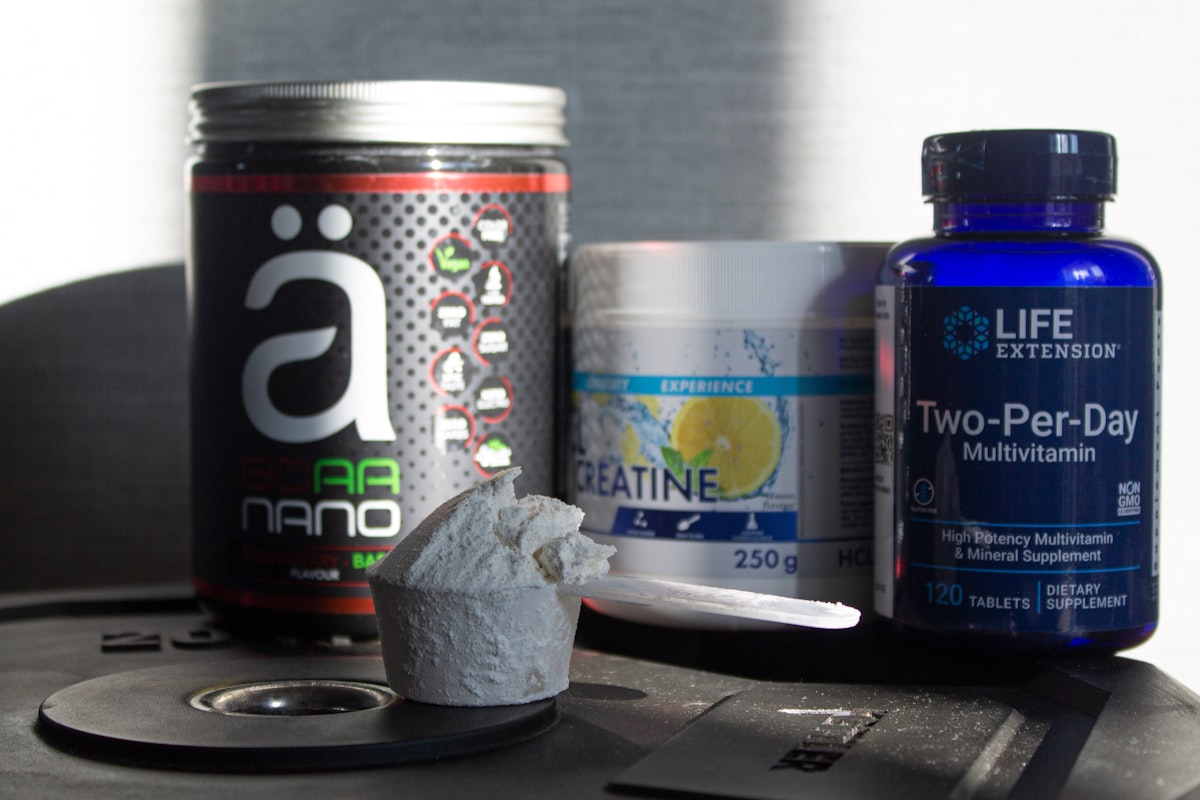
Your body is approximately 60% water. Every cell, tissue, and organ depends on this aqueous environment to function. Water regulates temperature, transports nutrients, removes waste, cushions joints, and protects organs. For men especially, hydration needs vary based on activity level, climate, and individual metabolism.
Men typically require more water than women due to higher muscle mass and metabolic rate. During exercise, water loss accelerates through perspiration. Replacing this fluid promptly prevents dehydration, which can impair strength, endurance, and recovery. Moreover, hydration works synergistically with nutrition—without sufficient water, even the best diet cannot deliver its benefits.
Understanding hydration science empowers you to make data-driven decisions about water intake timing, electrolyte supplementation, and nutritional planning. This knowledge transforms your approach to wellness, enabling sustainable energy, improved performance, and long-term health.
Discover Hydration TipsEssential Nutrients for Male Health
Learn which vitamins and minerals your body needs daily to maintain peak performance and vitality.
Protein
Builds and repairs muscle tissue. Men require 0.8–1.0g per kilogram of body weight daily. Essential amino acids found in protein also support immune function, enzyme production, and hormone synthesis. Quality sources include lean meats, fish, legumes, and dairy.
Carbohydrates
Your primary energy source. Complex carbohydrates—whole grains, oats, sweet potatoes—provide sustained fuel and support brain function. Timing carbohydrate intake around exercise optimizes performance and recovery, replenishing muscle glycogen stores depleted during activity.
Healthy Fats
Support hormone production and nutrient absorption. Omega-3 and omega-6 fatty acids reduce inflammation and protect cardiovascular health. Sources include fatty fish, nuts, seeds, and avocados. Despite calorie density, healthy fats are essential for optimal body composition and hormonal balance.
Vitamins
Facilitate energy production, immune response, and bone health. Vitamin D, B-complex vitamins, and antioxidants like vitamins C and E are critical. Vitamin D particularly influences testosterone levels and mood regulation. Varied diet with colorful fruits and vegetables ensures broad vitamin intake.
Minerals
Magnesium, zinc, iron, and calcium are vital for muscle contraction, bone density, and immune function. Zinc particularly supports testosterone production and protein synthesis. Iron transports oxygen in blood. Adequate mineral intake from whole foods prevents deficiencies that compromise athletic performance.
Dietary Fiber
Supports digestive health and stable blood sugar. Soluble fiber reduces cholesterol; insoluble fiber promotes regular bowel function. Both types feed beneficial gut bacteria, improving nutrient absorption and metabolic health. Whole grains, legumes, and vegetables are excellent fiber sources for sustained energy.
Your 30-Day Hydration Transformation
Follow these proven steps to establish sustainable hydration and nutrition habits that deliver lasting results.
Establish Baseline Intake
Days 1–5: Calculate your minimum daily water requirement (half your body weight in ounces). Start tracking intake using a water bottle with time markers. Monitor urine color—pale yellow indicates proper hydration. Record energy levels, mental clarity, and workout performance to establish your current baseline.
Action: Drink 8 glasses daily minimum. Use a hydration tracker app.
Optimize Nutrition Timing
Days 6–15: Plan meals with complete nutrition—protein, complex carbs, healthy fats, and fiber at each meal. Consume carbohydrates and electrolytes 1–2 hours before exercise. Eat protein within 30 minutes post-workout for muscle recovery. Space hydration throughout the day rather than drinking large amounts at once.
Action: Create a weekly meal plan. Schedule water intake hourly.
Track Progress and Adjust
Days 16–30: Monitor changes in energy, endurance, recovery speed, and body composition. Increase water intake on training days. Add electrolyte sources (coconut water, mineral-rich foods, light sports drinks) during intense sessions. Adjust portions based on activity level and climate. Celebrate improved sleep, mood, and focus as adaptation benefits emerge.
Action: Take progress measurements. Refine hydration strategy.
Benefits Comparison: Optimal vs. Inadequate Hydration
| Factor | Optimal Hydration | Inadequate Hydration |
|---|---|---|
| Physical Performance | Peak strength, speed, and endurance; faster recovery | Reduced strength, early fatigue, prolonged recovery |
| Mental Function | Sharp focus, improved memory, sustained concentration | Brain fog, difficulty concentrating, slower reaction time |
| Energy Levels | Consistent energy throughout the day | Fatigue, lethargy, afternoon energy crashes |
| Muscle Growth | Efficient protein synthesis, optimal muscle repair | Impaired protein utilization, slow muscle development |
| Cardiovascular Health | Normal blood pressure, efficient circulation, strong heart | Elevated heart rate, poor circulation, increased strain |
| Sleep Quality | Deeper sleep, faster recovery, fewer nighttime disruptions | Restless sleep, frequent waking, poor sleep quality |
Common Questions About Hydration and Nutrition
A common baseline is the "8x8 rule" (eight 8-ounce glasses daily), but individual needs vary. A better approach is calculating your body weight in pounds, dividing by 2, and drinking that many ounces daily as a minimum. Add 16–24 ounces of water for every 30 minutes of exercise. Climate, altitude, and individual metabolism also affect requirements. Monitor urine color—pale yellow indicates adequate hydration; dark yellow suggests dehydration.
Yes, excessive water intake without electrolyte replacement can cause hyponatremia (low blood sodium). This is rare but serious. During endurance exercise, pair water intake with electrolytes. Under normal conditions, your kidneys efficiently regulate fluid balance by increasing urination if you drink more than needed. Thirst is a reliable guide for most people. Drink consistently throughout the day rather than gulping large volumes at once.
Consume a balanced meal 2–3 hours before exercise containing carbohydrates for energy, protein for muscle support, and moderate fat. Examples: oatmeal with berries and yogurt, chicken with rice and vegetables, or toast with peanut butter. If exercising within 1 hour, eat lighter (banana with almond butter). Drink 16–20 ounces of water 2–3 hours before, then 8–10 ounces 15–20 minutes before exercise to ensure full hydration without stomach discomfort.
Eat within 30–60 minutes post-workout during the "anabolic window" when your muscles are primed for nutrient absorption. Consume protein (20–40g) and carbohydrates (0.8–1.2g per kg body weight) to trigger muscle protein synthesis and replenish glycogen stores. A quick example: protein shake with banana, turkey sandwich with rice, or greek yogurt with granola. Hydrate simultaneously—drink 16–24 ounces of water over the next 2–4 hours to fully rehydrate after sweat loss.
Caffeine is a mild diuretic but doesn't cause dehydration when consumed in moderate amounts (up to 400mg daily). Coffee, tea, and energy drinks contribute to your daily fluid intake, though they're less hydrating than water. If you consume caffeine, increase water intake slightly. Avoid large caffeine doses before intense exercise, as caffeine can increase heart rate and perspiration. Time caffeine consumption strategically—morning coffee improves alertness; pre-workout caffeine boosts performance; evening caffeine may disrupt sleep and recovery.
Natural sources include coconut water (potassium-rich), bananas (potassium and magnesium), leafy greens (magnesium), dairy products (calcium), and nuts/seeds (multiple minerals). For intense or long-duration exercise, sports drinks with sodium and potassium help replace electrolytes lost in sweat. Sea salt on food provides sodium. Avoid excessive processed electrolyte drinks high in sugar—balance convenience with nutrition. A practical approach: drink water daily, eat whole foods rich in natural electrolytes, and use sports drinks strategically during high-intensity workouts lasting over 60 minutes.
Real Results from Real Athletes
See how proper hydration and nutrition strategies have improved performance, recovery, and overall health.
Enhanced Endurance Performance
Amateur Marathon Runner
"After implementing structured hydration and pre-race nutrition planning, my marathon time improved by 12 minutes. I experienced fewer energy crashes, recovered faster, and felt stronger in the final miles. Proper electrolyte timing during long runs made a real difference."

Sustainable Weight Management
Corporate Professional
"I lost significant weight over 6 months without restrictive dieting. By focusing on nutrient-dense foods, proper meal timing, and understanding my body's hunger signals, weight loss felt natural and sustainable. I've maintained these habits because they fit my lifestyle."
What Our Clients Say
Real people, real results. Join thousands who've transformed their nutrition journey with Healthymalnutri.
"The nutrition plans are personalized, easy to follow, and deliver real results. My energy levels have never been better!"
Sarah Mitchell
Fitness Enthusiast
"I've tried many nutrition programs, but Healthymalnutri's approach is different. Science-backed, practical, and supportive."
James Rodriguez
Professional Athlete
"The nutrition coaching transformed how I think about food. I feel stronger, healthier, and more confident every day."
Emily Chen
Health Coach
Frequently Asked Questions
Find answers to common questions about our nutrition programs.
How personalized are the nutrition plans?
Each plan is fully customized based on your health goals, dietary preferences, activity level, medical history, and lifestyle. Our certified nutritionists review your information and create a plan specifically for you.
Do you accommodate dietary restrictions and allergies?
Absolutely. We work with vegetarian, vegan, gluten-free, dairy-free, and other dietary needs. Our system flags allergens and automatically adjusts recommendations to keep you safe and satisfied.
What if I don't see results in the first month?
We offer a 30-day satisfaction guarantee. If you're not seeing progress, our team will review your plan and make adjustments at no extra cost. Most clients see noticeable changes within 2-4 weeks when they follow the program consistently.
How often can I update my nutrition plan?
Your plan can be adjusted anytime as your goals or circumstances change. We recommend a review every 4-6 weeks to optimize your progress and keep your plan aligned with your evolving needs.
Is there ongoing support after I receive my plan?
Yes! All members get access to our support team via email and in-app messaging. Premium members also receive monthly check-ins and progress reviews with a certified nutritionist.
Ready to Transform Your Nutrition?
Join thousands of people who've improved their health, energy, and performance. Get started with a personalized nutrition plan today.